


No products in the cart.


Picture a new starter walking in on Monday morning. The laptop is still in its box, and nobody is sure which desk is theirs. The only thing waiting for them is a sheet with a login on it. Nothing here is a disaster. It just is not much of a welcome.
A small, well-planned new starter pack changes that first hour. It tells someone that you expected them, thought about them and are glad they turned up. It does not need to be big or expensive. It needs to be useful, and it needs to be there on time.
This guide covers welcome pack ideas that people actually keep using. We look at what to put in and how to match it to the role. We also cover what to leave out and how to order in time.
The first week shapes how a new person feels about a job, even if nobody says so out loud. People notice the small things. They notice whether their name is spelt right on the door, whether someone showed them where the kettle lives, and whether anything was ready for them.
Good welcome packs do a few quiet jobs at once:
A welcome pack for new employees will not fix a poor workplace, and it does not replace a good manager. But it is a cheap, friendly way to start well. A new staff welcome pack is often remembered long after the induction slides are forgotten.
You will hear a few names for the same idea. HR teams often talk about an onboarding pack, while others call it a joining kit or a starter box. Some workplaces also hand over an induction welcome pack that holds forms, policies and safety information. That is the paperwork side. This article is about the friendlier side, the bit that comes with a gift.
Think in three layers: something to use, something to wear or carry, and something to read. You do not need all three, but two out of three usually feels generous.
That last layer is where it is easy to go wrong, because it quickly turns into a pile of forms. For welcome packet ideas that go beyond paperwork, try a one-page map of the office. Add a list of who does what and a short note on how the team likes to work. Add the names of a few friendly faces and the nearest good coffee. Keep the legal paperwork separate so the gift does not get buried under it.
Once you have the layers, decide how many items go in. Three to five is plenty. Fewer than three can feel thin, and more than five starts to feel like a showbag.
Personal touches count for a lot. A pack with the person’s name and role on the card feels made for them, not pulled from a stack in the stationery cupboard.
This is also where a good supplier earns their keep. Tell our team who is starting, what the role is and roughly what you want to spend. We will suggest products and the best decoration method for your logo. Depending on the product, that might be screen printing, embroidery, digital transfer, laser engraving or pad printing. Want to see it before you commit? Ask for a sample with your branding on it.

A welcome gift only works if it leaves the box. A shelf full of unopened swag says nothing good about anyone. If you want new employee gift ideas that go beyond the usual mug, ask one question of every item: will they use this in their first week?
Choosing a welcome gift for new employee arrivals is easier when you sort the options into groups. Most new hire welcome gifts land in one of five, and here is how each one holds up.
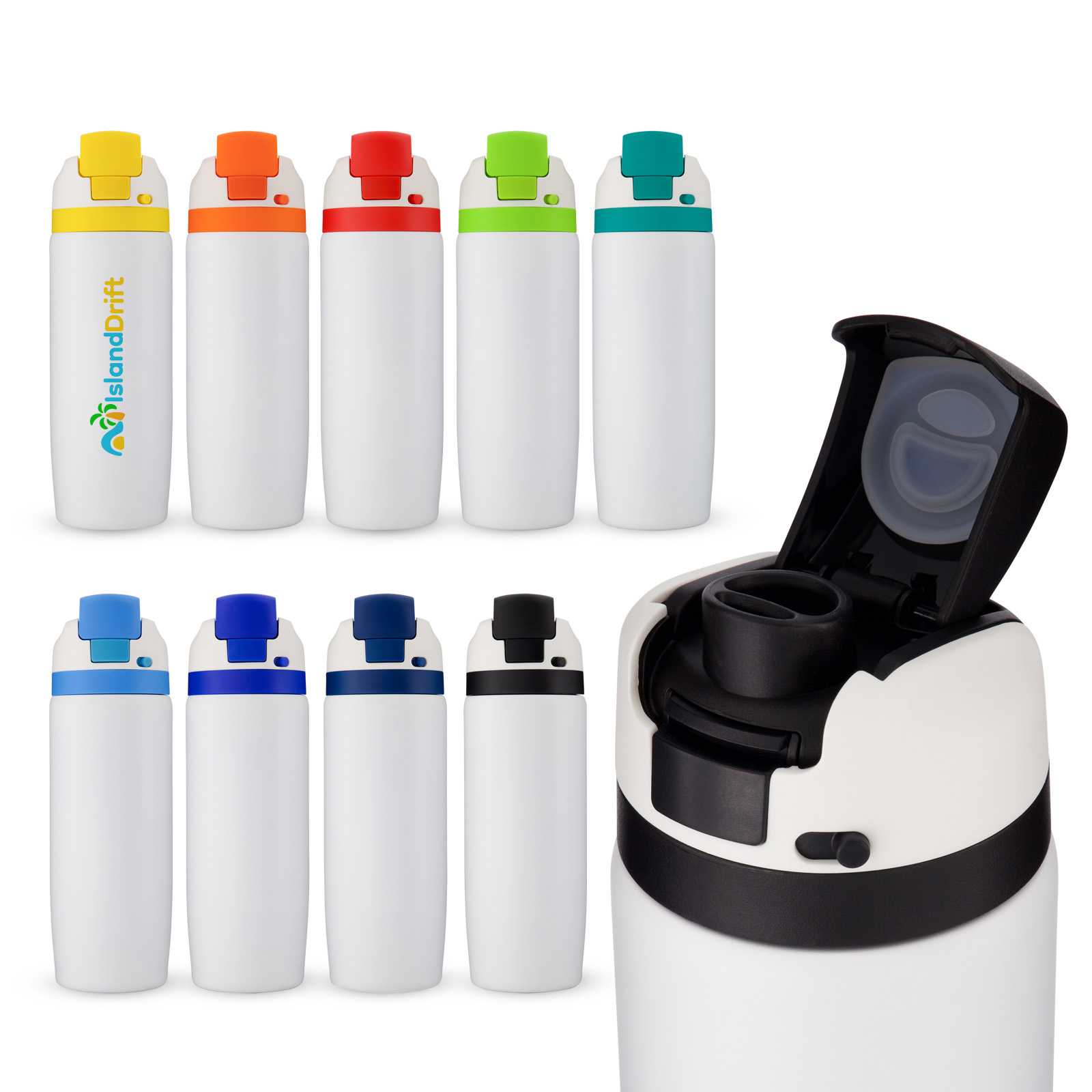
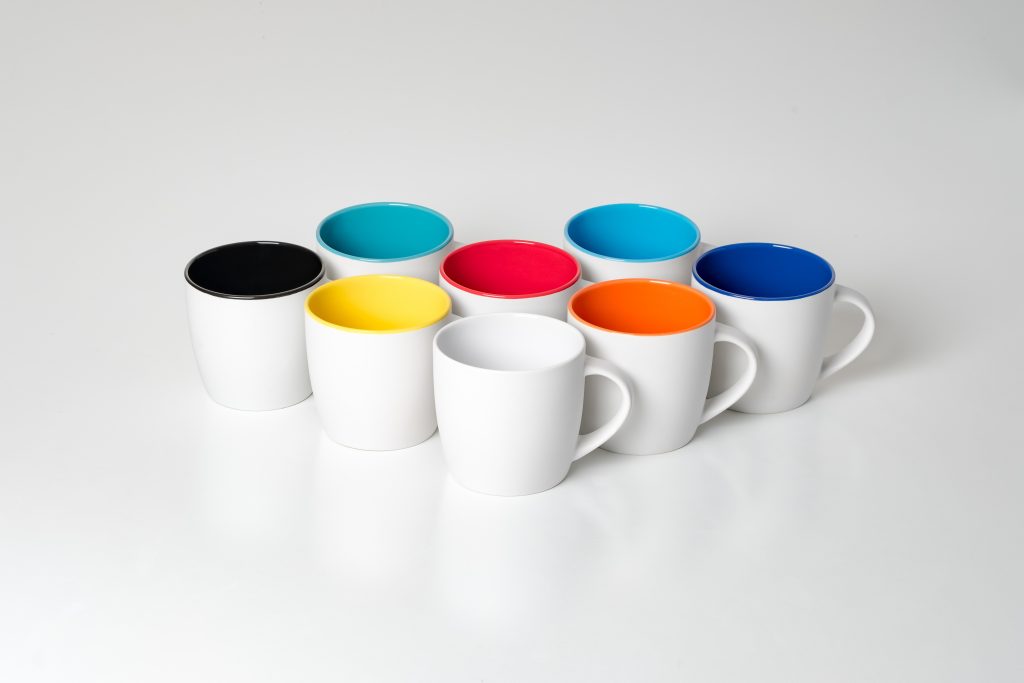
Nearly everyone drinks something at their desk, so drinkware is a safe start. A reusable bottle or a good coffee mug sees daily use, and it gets carried around the office, which keeps your brand in view. Have a look through the drinkware range for bottles and mugs.
New starters arrive with a lot to hold: a laptop, a lunch, a charger, a jumper. A sturdy tote is quietly useful from day one. The bags and conference range includes totes, and a reusable one gets used for the weekly shop long after the first week is over.
Team clothing does two things. It helps a new person feel included, and it saves them working out what to wear on the first day. A polo or tee suits roles with a dress code. Browse our branded apparel and pick styles that suit your people, not just your logo.
Keep sizes in mind. Ask new starters for their size before their first day, and never guess. A shirt that does not fit says the opposite of what you meant.
This is where the everyday items live. A notebook and a decent pen cover the first week’s scribbles. Have a look at the desk, office and stationery items for notebooks and other ideas that are easy to add to a pack.
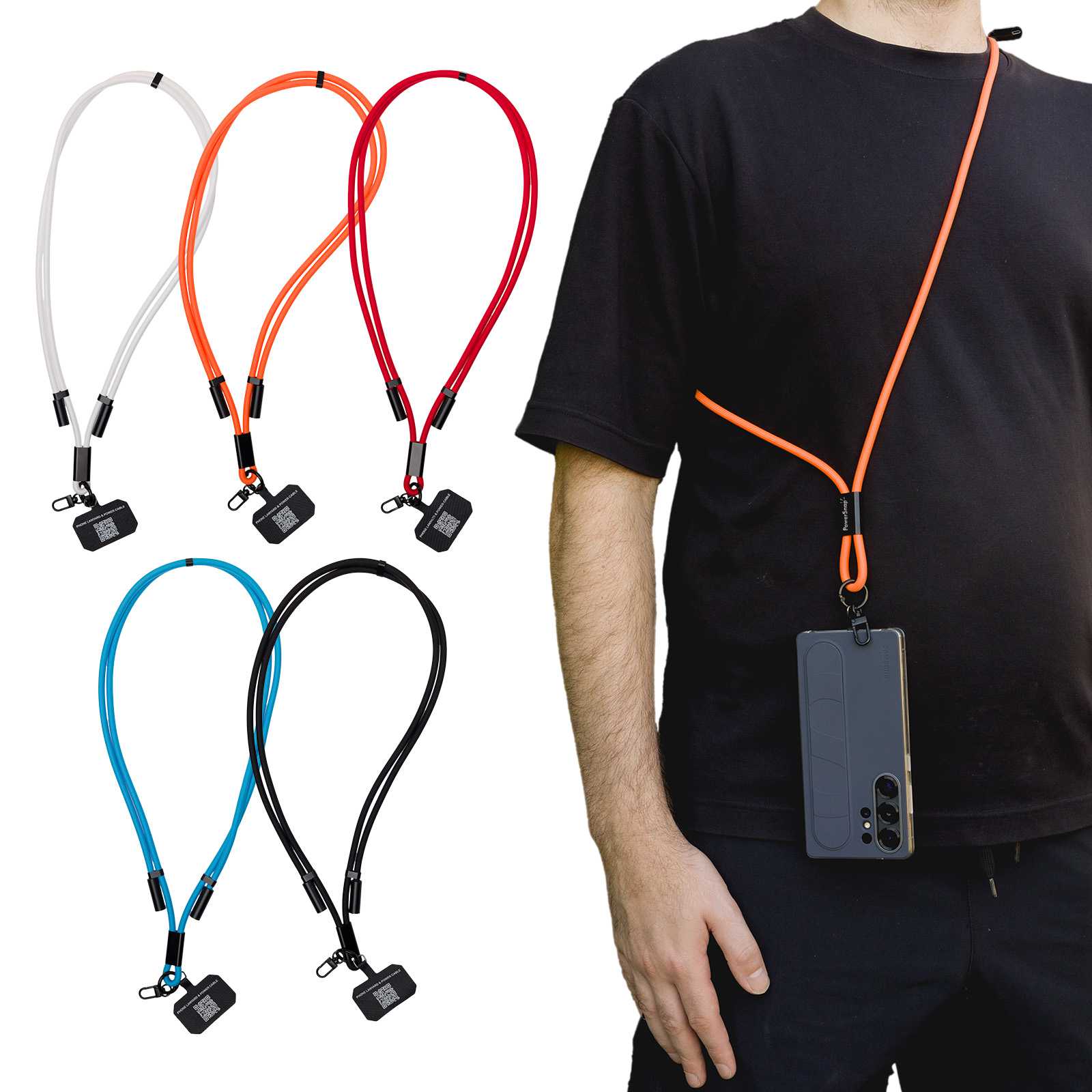
For the tech-minded, a charging cable is a small gift with a big payoff. Our technology range has options in this space. Just check that the item suits the devices your team uses.
If your workplace uses ID cards or building passes, a lanyard is a small addition that actually gets worn. It is also a neat way to say the person belongs, without a speech.
One pack for everyone is easy to order, but it rarely fits. A short tweak for each group of staff makes the whole thing feel considered.
Think desk, drink and a bit of comfort. A notebook, a bottle, a pen and a small treat for the first Friday. Add a printed note from the team, signed by the people they will sit near.
A welcome kit for new employees who work on site should lean practical. A cap, a bottle and hi-vis workwear, where the role needs it, all get used straight away. Keep the paperwork simple and the safety information clear. Nobody wants to read a novel in the ute.
People who do not come into the office are the easiest to forget. Post the pack to their home so it arrives before their first day, and add a card from their manager. A digital folder with the same guide and links means nothing gets lost in the mail.
You do not need a big budget to make a good impression. The trick is to spend on the items that get used and skip the ones that do not. Here are three tiers to choose from.
Whichever tier you choose, be consistent. If the last three hires got a bottle and a tote, the next one should not get a pen and a handshake. People compare notes, and fairness matters more than the price of any single item.
Money goes furthest on the things people touch every day. A well-made bottle that lives on a desk for two years is worth more than a novelty item that gets used once. If the budget is tight, spend on one good item and keep the rest simple.
Quantity changes the sums too. Pricing improves as quantity increases across most of our range, so tell us how many you expect to need across the year, not just for the next hire.
Established businesses can also ask about a credit account, which may suit you if you order stock in one go and hand it out over several months.
Not sure which tier suits? Send us your budget and roughly how many people you hire, and our sales team will suggest a mix. It is a quick conversation.
Some teams like to go all in with a full box of team gear. That is a nice idea if you build it with care. A good box has a theme, a limited number of items and one small surprise.
Pick items that work together. A bottle, a notebook and a tote share a colour palette and look good on a desk. Colour does a lot of the work here. Matching everything to your brand palette makes a mixed box look like a set. Most decoration methods can be colour-matched to a Pantone reference, as closely as the method allows.
Two rules help. First, aim for quality over quantity, because five good things beat ten forgettable ones. Second, put the note on top, because it is the first thing they will read.
Picture a ten-person design studio that takes on two new starters a quarter. Rather than choosing a different gift each time, they order one set: a bottle, a notebook, a tote and a cap. The box always looks the same, nobody is left out, and nobody scrambles for a gift the week someone starts.
If sustainability matters to your team, say so early. We stock a growing range of eco-conscious products, including recycled, biodegradable and sustainably sourced options. Our sales team can point you to them when you ask for a quote.
A few things tend to make a pack worse, not better. Here is what to avoid.
If you are unsure about any item, imagine the person opening it on day one. Would they smile, or would they quietly wonder where to put it?
Timing is the part that catches people out. Hiring often moves faster than ordering, and a pack that arrives three weeks late is not a welcome. A little planning helps.
Here are the ordering details from our own FAQs at the time of writing, so you can plan around them:
The minimum quantity often surprises small teams. If you only hire a few people a year, order a batch and keep the stock in a cupboard. A pack that is ready to go means the next hire is never caught short.
For the artwork, vector files such as AI, EPS or PDF work best. If you do not have those, our design team can help with basic artwork, and a more complex design may cost a little extra.
Presentation matters as much as the contents. The same items feel very different laid out on a tidy desk with a card than they do in a plastic bag left on a chair.
A good welcome does not need to be fancy. Choose a few useful things, keep the branding light and have it ready before the new person walks in. Get those three right, and the first day starts well.
The best packs share a few habits. They are ready early, they hold things people will use, and they come with a real note from a real person. Whether you order a small batch for the year or a full set for a big intake, start with the person opening it and work backwards.
You do not have to work it out alone. Hype Promotions is a 100% Queensland-owned business, and we have been putting branded merchandise together for Australian businesses since 1988. Our team will suggest products, talk you through decoration options and help with your artwork. We deliver Australia-wide, and we reply to quote requests within 1 business day.
Prefer a chat? Call us on (07) 3192 9855 or email sales@hypepromotions.com.au. We are here Monday to Friday, 9am to 5pm AEST.
Need a hand putting a pack together for your next starter? Get in touch with our team and we will help you get it right.
Whoever owns the hiring, usually HR or the new starter’s manager. Give one person the job, keep a short checklist and reorder stock before it runs out.
Not at all. A late pack with a friendly note is far better than none. Just say it was on its way, and let them enjoy it.
A note is a good start and costs almost nothing. Adding one small, useful item makes the day easier to remember, but the note is the part people keep.
Ask new starters a month in which items they actually used, and keep the ones that got picked up. Drop anything still in the box.
Leave a comment